
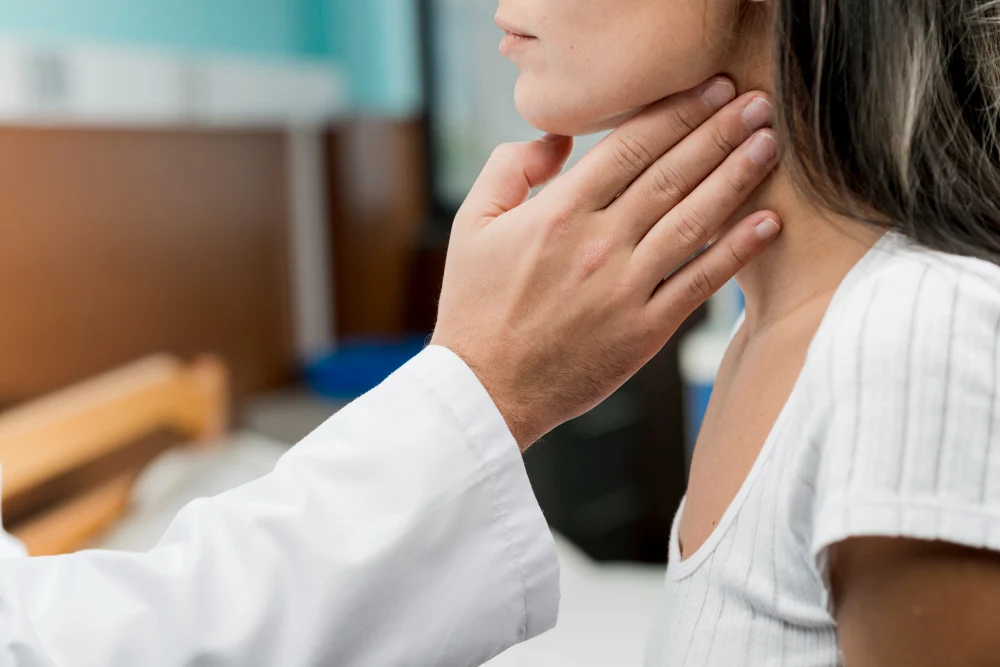
When High Calcium Points to a Parathyroid Problem
An elevated calcium level on routine bloodwork is often the first sign of hyperparathyroidism, a condition that can quietly weaken bones, cause kidney stones and leave you feeling tired, foggy or low. At Surgical Associates of La Jolla in La Jolla, CA , our experienced surgeons pinpoint the overactive gland and remove it through a small incision. For most patients, this cures the condition and returns calcium to a healthy range.
Request an AppointmentWhat Is Hyperparathyroidism?
Most people have four parathyroid glands. Each is about the size of a grain of rice, and they sit behind the thyroid in the neck. These glands make parathyroid hormone (PTH), which keeps the calcium in your blood within a tight, healthy range. Hyperparathyroidism develops when one or more glands produce too much PTH. The extra hormone pulls calcium out of your bones and raises calcium in your bloodstream, and over time that affects your bones, kidneys, heart and nervous system.
The parathyroid glands are separate from the thyroid, but because the two sit side by side, our thyroid and parathyroid surgery team evaluates both. Many patients referred for hyperparathyroidism also have thyroid nodules, and both problems can often be treated in the same operation.
Types and Causes
- Primary hyperparathyroidism: This is the most common form. In about 80 to 85 percent of cases, a single benign growth called a parathyroid adenoma causes it. Less often, several glands are enlarged (hyperplasia). Parathyroid cancer is rare.
- Secondary hyperparathyroidism: The glands overwork in response to another condition, such as chronic kidney disease or severe vitamin D deficiency. Treatment usually starts with the underlying cause.
- Tertiary hyperparathyroidism: Long-standing secondary hyperparathyroidism can cause the glands to keep producing too much hormone on their own, sometimes even after a kidney transplant. Surgery is often needed.
Risk factors include being a woman past menopause, prior radiation to the head or neck, long-term lithium use and certain inherited conditions, such as multiple endocrine neoplasia (MEN) syndromes.
Symptoms to Watch For
Many people are told they have “no symptoms” and only find out about the condition through a lab test. Looking back, though, many notice changes that came on so gradually they seemed normal. Common signs include:
- Fatigue, weakness or low energy
- Trouble concentrating, memory lapses or “brain fog”
- Depression, anxiety or irritability
- Bone pain, osteopenia, osteoporosis or fractures
- Kidney stones or declining kidney function
- Excessive thirst and frequent urination
- Abdominal pain, nausea, constipation or heartburn
- Poor sleep, headaches and joint aches
How We Diagnose Hyperparathyroidism
Diagnosis starts with blood tests showing high or high-normal calcium together with an elevated or inappropriately normal PTH level. We may also check vitamin D, kidney function and 24-hour urine calcium to rule out other causes. Once the diagnosis is confirmed, imaging helps locate the abnormal gland before surgery. This may include neck ultrasound, a sestamibi scan or a 4D CT scan. Good localization lets our surgeons plan a focused, minimally invasive operation.
When Is Surgery Recommended?
Surgery is the only cure for primary hyperparathyroidism. Medications can lower calcium or protect bone, but they don’t fix the overactive gland. We commonly recommend surgery for patients who have symptoms, calcium well above the normal range, osteoporosis or fractures, kidney stones, reduced kidney function or a diagnosis before age 50. Many patients with milder disease also choose surgery to protect their long-term health. Our surgeons will review your results and help you weigh the benefits.
Parathyroid Surgery at Our Practice
When imaging clearly shows a single adenoma, we usually perform a minimally invasive parathyroidectomy through a small incision placed in a natural skin crease. During the procedure, we measure PTH levels to confirm the hormone has dropped to normal before the operation ends. If more than one gland may be involved, or imaging is unclear, the surgeon checks all four glands to make sure every abnormal one is removed. In the rare case of suspected parathyroid cancer, the surgery draws on the expertise of our surgical oncology program.
Most patients go home the same day or the next morning and return to light activity within a few days. Many notice better energy, mood and sleep in the weeks that follow, and bone density often improves over time.
Getting Ready for Your Visit
If you’re a new patient, please bring your recent lab results and any imaging reports to your first appointment. Our guides on what to expect at your visit, preparing for surgery and billing and insurance walk you through each step. You can also learn why patients choose our practice or read patient reviews.
Hyperparathyroidism is one of many endocrine and general surgical conditions we treat, including adrenal tumors. Explore our full list of surgical services or our areas of expertise. We welcome patients from across San Diego County, including those looking for a surgeon near Del Mar.
Hyperparathyroidism FAQs
Is hyperparathyroidism the same as a thyroid problem?
No. The parathyroid glands sit next to the thyroid but have a different job. The thyroid controls metabolism, while the parathyroid glands regulate calcium. You can have normal thyroid function and still have hyperparathyroidism.
Can hyperparathyroidism be treated without surgery?
Medications and monitoring can help manage calcium levels and protect bone in some patients, but they don’t cure primary hyperparathyroidism. Removing the overactive gland is the only definitive treatment.
What happens if hyperparathyroidism is left untreated?
Over time, high calcium and PTH levels can cause bone loss, fractures, kidney stones and reduced kidney function. They may also raise cardiovascular risk and lead to ongoing fatigue, mood changes and trouble concentrating.
How large is the incision for parathyroid surgery?
For a minimally invasive parathyroidectomy, the incision is usually small and placed in a natural skin crease of the neck, so it tends to heal well and fade over time.
How long is recovery after parathyroid surgery?
Most patients go home the same day or the next morning. Light activity can usually resume within a few days, and most people return to work within about a week, depending on their job.
Will I need to take calcium after surgery?
Some patients take calcium supplements for a short time while the remaining healthy glands adjust and begin working normally again. Your surgeon will give you specific instructions and check your levels at follow-up.
Can hyperparathyroidism come back after surgery?
When all of the abnormal tissue is removed, the cure rate is very high. Recurrence is uncommon but more likely in patients with multi-gland disease or inherited syndromes, so we recommend periodic calcium checks.
Take the Next Step Toward Healthy Calcium Levels
If your bloodwork shows high calcium or PTH, you don’t have to keep living with fatigue, bone loss or the risk of kidney stones. Call Surgical Associates of La Jolla at (858) 452-5054 or request an appointment online to meet with a parathyroid surgeon in La Jolla, CA .